Join the EOSC EDEN Digital Curation and Preservation Network
Bringing curators and digital preservationists together
The network
The Digital Curation and Preservation Network will operate alongside EOSC EDEN to ensure that data remains accessible and reusable as technology evolves. Members actively contribute to one or more working groups (WGs). Three dedicated WGs are being established.
- WG1: EOSC EDEN outcomes
The EOSC EDEN project is in the process of developing tools and strategies to serve the research community in terms of curation and long-term preservation. One of the first outcomes is the Core Preservation Processes (CPPs), which guide repositories and archives in fulfilling steps towards trustworthiness. This working group contributes to testing, validation, and long-term maintenance of the CPPs and other EOSC EDEN outcomes.
- WG2: Resource provision
To provide the community with authoritative guidance on file formats, tools, and workflows, this working group aims to explore and determine how to host and maintain an updated list of such practical resources for improved data curation and digital preservation practices.
- WG3: Knowledge exchange and training
This working group aims to facilitate regular meeting points (e.g., webinars, training sessions, community discussions) for curators and digital preservationists to share insights and collaborate across institutions and disciplines. It will also support the maintenance of EOSC EDEN training outputs and promote reuse of existing learning resources rather than duplicating effort.
Why this matters
Curation is the cornerstone of long-term digital preservation, yet it remains a challenge for many institutions. The Digital Curation and Preservation Network aims to:
- Address gaps in expertise and experience
- Provide a platform for collaboration and knowledge exchange
- Harmonize digital curation and preservation practices across disciplines and repositories
- Ensure data remains accessible and reusable as technology evolves
How to join
This network is a space for data curators and digital preservationists who have:
- Expertise in research data curation, quality management, or long-term preservation
- Representation across organizations, repositories, collections, or digital object types
- A commitment to advancing FAIR+Time and TRUST principles
We invite you to participate in the upcoming network events and choose one or more working groups that match your interests. Additional information about joining the network will be available after the 2nd network event.
If you have any questions or would like to request additional information about the network, please feel free to reach out to us:
📧 Email: pmo.eden@postit.csc.fi
Network events
Network soft-launch
Date: Thursday, 5th November, 2026
Time: 14.00-15.00 CET
Register here: https://eden-fidelis.eu/form/digital-curation-preservation
The 2nd Digital Curation and Preservation Network Workshop
Save the date for the second in-person network event, which will take place on 3-4 February 2027 in Leuven, Belgium. This is a 2-day, hands-on workshop to activate the working groups and bring the entire network together.
Dates: 3-4 February 2027
Location: Leuven, Belgium
Apply here: https://eden-fidelis.eu/form/digital-curation-and-preservatio
Working group kickstart meetings
Separate meetings to kickstart each working group will be announced soon.
- Past events
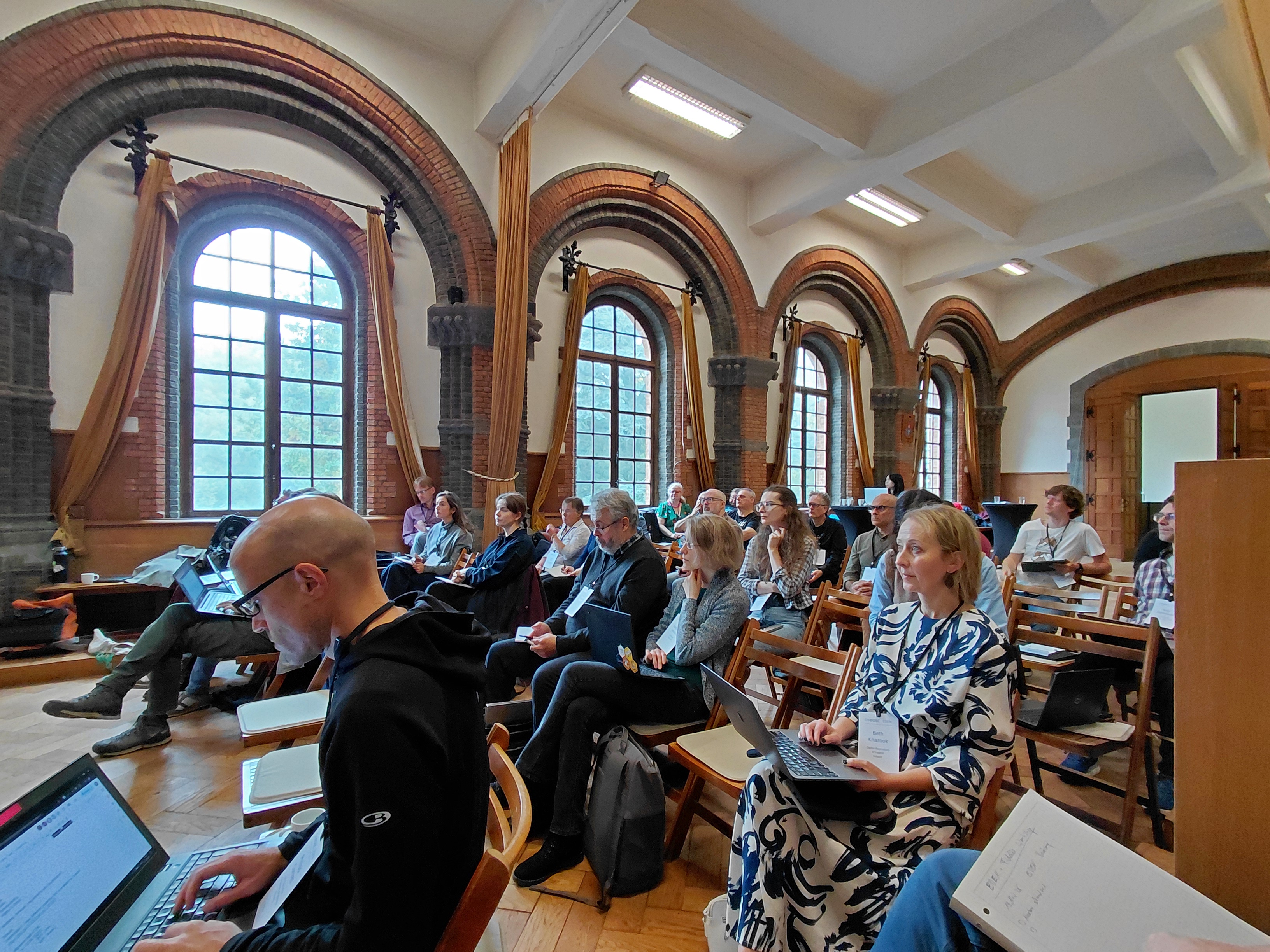
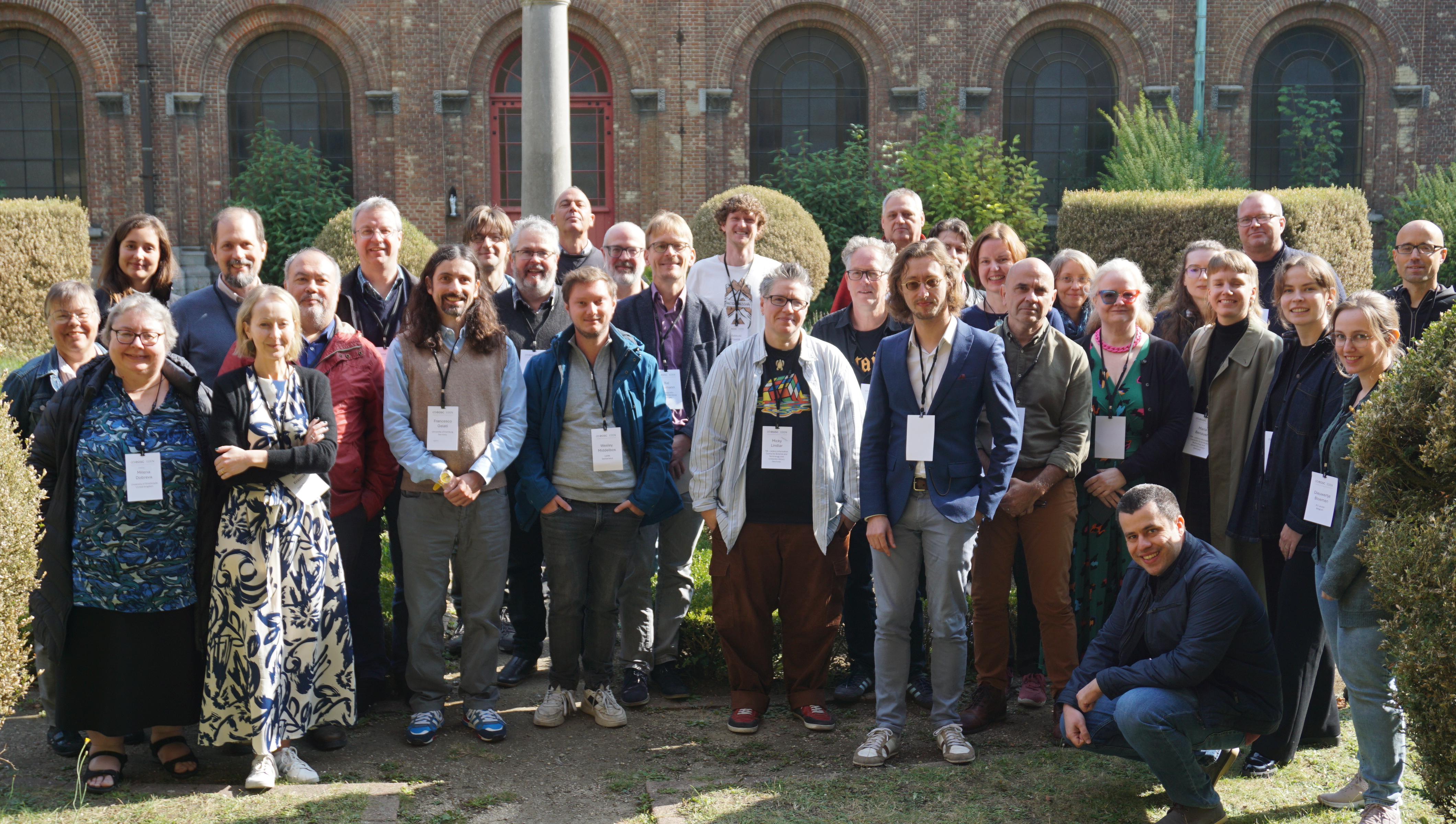
The 1st Digital Curation and Preservation Network Bootstrap Workshop
This event took place on 1-2 October 2025, in Leuven and was a hands-on workshop to:- lay the foundations of the network
- Share expertise, experiences, and best practices
- Build a collaborative vision for advancing data curation and digital preservation across disciplines and repositories
Frequently Asked Questions
- Q1. Who can join DCPN?
DCPN is open to anyone with an interest in digital curation and long-term preservation.
During the duration of the EOSC EDEN project, DCPN membership is individual, free, and open, regardless of organisational affiliation, enabling direct participation in community activities and working groups.
- Q2. Who is DCPN for?
We welcome participants with a wide range of roles, experiences, and levels of expertise, including:
- Data curators
- Digital preservationists
- Data stewards, research data managers, information managers
- Repository, archive and information infrastructure staff
- Researchers and research support professionals
- Managers and decision-makers responsible for data services and policies
- Professionals contributing to standards, tools, frameworks, or services for digital curation and preservation
- Q3. What types of organisations are represented in the DCPN?
Members may be affiliated with a variety of organisations, including:
- Generalist and specialist repositories and archives
- Trustworthy Digital Repositories (TDRs) and Trustworthy Digital Archives (TDAs)
- Universities and research-performing organisations
- Data services, infrastructures, and consortia
- GLAM institutions (Galleries, Libraries, Archives, and Museums)
- Non-governmental, governmental, and intergovernmental organisations
- Commercial organisations, service providers, and vendors active in digital curation and preservation
- Q4. I’m a new professional. Can I join as well?
DCPN values diversity of experience and perspective. Some members may bring extensive expertise in specific areas, while others may be looking to develop their knowledge and skills. All members are encouraged to share their experiences and learn from others through participation in working groups and other Network activities.
- Q5. I’m not based in Europe. Can I join as well?
Although DCPN has a primary focus on supporting and advancing digital curation and preservation practices within the European research ecosystem, participation is open to members from anywhere in the world. To ensure effective delivery of its mission and alignment with EOSC EDEN objectives, priority may be given to members based in Europe when allocating limited-capacity opportunities such as in-person events, travel support, and scheduling of working group activities. At the same time, DCPN is committed to fostering international collaboration and welcomes contributions from practitioners and organisations beyond Europe.
- Q6. What are the benefits of becoming a DCPN member?
DCPN aims to connect practitioners across disciplines, repositories, countries, and communities, helping to bridge gaps in expertise, support, and preservation-oriented curation practices. By participating in DCPN, members can:
- Exchange knowledge and experiences with peers working on digital curation and preservation challenges across disciplines, organisations, and countries.
- Participate in working groups that develop practices, guidance, resources, and other community outputs around specific topics of interest.
- Contribute to and help shape EOSC EDEN outputs, including frameworks and resources such as the Core Preservation Processes (CPPs).
- Develop professional skills and visibility through collaboration, knowledge exchange, presentations, publications, and leadership opportunities within the community.
- Expand their professional network by connecting with digital curation and preservation practitioners from across Europe and beyond.
- Contribute to the Network’s development. As DCPN is currently being established, members have a unique opportunity to help inform its priorities, activities, and future direction.
- Q7. What level of commitment is expected from DCPN members?
DCPN is intended for practitioners who are interested in actively contributing to the Network through at least one working group. While the exact level of involvement will vary between working groups and over time, members should generally expect to:
- Attend regular working group meetings.
- Participate in discussions and planning activities.
- Contribute to working group outputs and other activities between meetings, as time and expertise permit.
DCPN is designed as a collaborative community of practice rather than a passive membership network. Members are therefore encouraged to participate actively in the topics and activities most relevant to their interests and expertise.
- Q8. How does DCPN relate to other communities?
DCPN complements existing initiatives such as the Digital Preservation Coalition (DPC), the Open Preservation Foundation (OPF), and the Research Data Alliance (RDA). Rather than duplicating their activities, DCPN seeks to provide an additional space for collaboration focused on the specific needs of the digital curation and preservation community with a strong focus on research data.
- Q9. I’m already a member of DPC, OPF or RDA. Why should I join the DCPN?
DCPN distinguishes itself by its strong focus on research data and related digital objects. The Network concentrates specifically on the intersection of digital curation, data quality, and long-term preservation of research data and related objects in repository and archive environments.
DCPN is centred on practical challenges faced by curators, preservationists, data stewards, repository staff, and related professionals. Its working groups are designed to support sustained collaboration, knowledge exchange, and co-development of resources and practices.- Q10. What’s the membership model of the DCPN?
During the EOSC EDEN project, DCPN membership is individual, free, and open, regardless of organisational affiliation, enabling direct participation in community activities and working groups. Sustainability options will be explored by the project in consultation with the Network.
As DCPN is currently being established, members have a unique opportunity to help inform its priorities, activities, and future direction.
- Q11. What is the long-term vision for DCPN?
DCPN is being established through the EOSC EDEN project, but it is intended to continue beyond the project’s lifetime. The long-term vision is to develop a sustainable, community-governed network that supports collaboration, knowledge exchange, and the continued evolution of resources, practices, and expertise for digital curation and long-term preservation.
As the Network matures, DCPN aims to:
- Strengthen connections across disciplines, repositories, infrastructures, and countries.
- Foster collaboration between curators, preservationists, data stewards, researchers, service providers, and other stakeholders.
- Contribute to a more coordinated and sustainable European ecosystem for digital curation and long-term preservation.
- Support the maintenance and evolution of key outputs developed by EOSC EDEN, including frameworks, guidance, and community resources.
DCPN seeks to become a trusted and complementary community of practice, providing a dedicated forum for practitioners working at the intersection of research data quality, digital curation, and long-term preservation. Possible post-project models of the Network therefore include working groups under the umbrellas of existing organisations and networks, such as FIDELIS, DPC, OPF, and RDA.
- Q12. How will DCPN support collaboration and member participation?
In the near term, the Network's primary focus is on establishing active working groups that bring together practitioners around shared challenges and topics of interest. These working groups provide a practical and accessible entry point into the Network and are expected to become the main mechanism through which members collaborate, share expertise, and develop community resources.